

 See My Latest Article on HelloNation
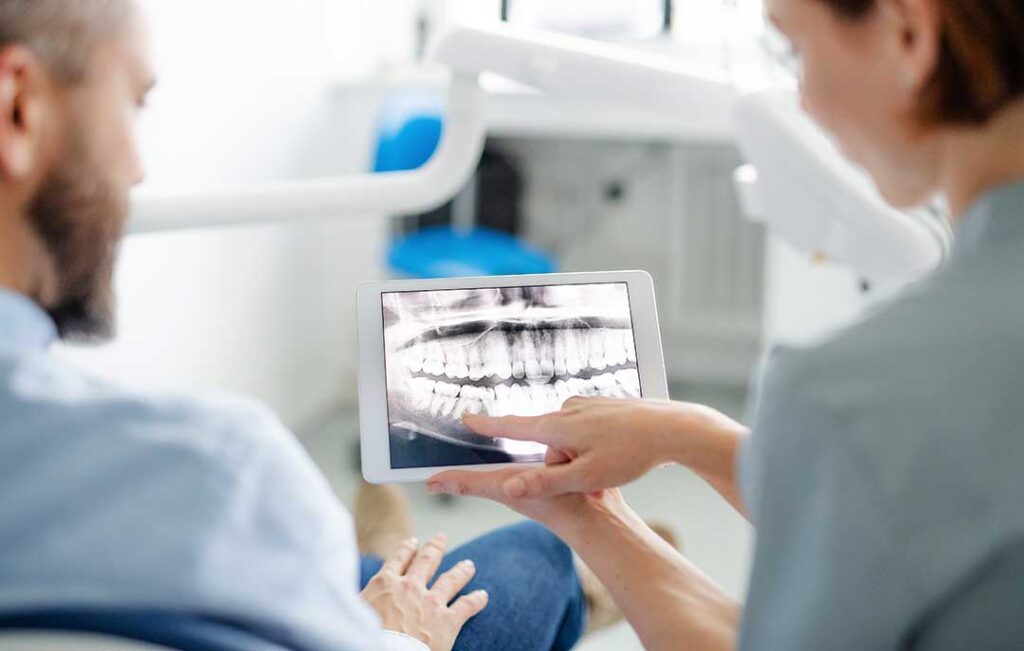
Smoking affects nearly every part of dental health, including the gums, teeth, breath, healing process, and risk of oral cancer. The effects may develop gradually, and some smokers have advanced gum disease without significant pain or obvious warning signs.
For residents of Cheshire, understanding these risks can make it easier to recognize changes early and protect oral health through daily care, regular evaluations, and tobacco-cessation support when needed.
How does smoking damage the gums?
Smoking weakens the body’s ability to fight infection and limits the normal healing response in gum tissue. This makes it easier for plaque bacteria to cause inflammation and harder for the gums to recover from irritation or infection. Tobacco use is considered one of the most significant risk factors for periodontal disease. ([nidcr.nih.gov](https://www.nidcr.nih.gov/health-info/gum-disease?utm_source=openai))
Gum disease usually begins with gingivitis. Common signs include:
- Red or swollen gums
- Bleeding during brushing or flossing
- Tenderness along the gumline
- Persistent bad breath
Without treatment, gingivitis can progress to periodontitis. This more advanced condition damages the tissues and bone that support the teeth. As the supporting structures weaken, teeth may become loose, shift position, or eventually require removal.
Why can smoking make gum disease harder to notice?
A lack of bleeding does not always mean that the gums are healthy. Smoking can reduce blood flow to gum tissue, which may mask typical signs of inflammation. As a result, a person may have significant periodontal damage without the prominent bleeding often associated with gum disease.
This is one reason routine dental evaluations matter for people who smoke. A visual examination, gum measurements, and dental X-rays when appropriate can reveal infection or bone loss that is not visible in a mirror. Gum disease can become serious before symptoms are obvious. ([cdc.gov](https://www.cdc.gov/oral-health/about/gum-periodontal-disease.html?utm_source=openai))
Does smoking increase the risk of tooth loss?
Yes. Smoking contributes to tooth loss mainly by increasing the likelihood and severity of periodontitis. It can also make gum-disease treatment less successful and delay healing after treatment.
The Centers for Disease Control and Prevention identifies smoking as a leading contributor to tooth loss, along with cavities and periodontitis. Tooth loss can affect chewing, speech, diet, confidence, and overall quality of life. ([cdc.gov](https://cdc.gov/oral-health/about/about-tooth-loss.html?utm_source=openai))
National data also show a strong relationship between smoking and complete tooth loss among older adults. In one CDC summary, adults age 65 and older who currently smoked were substantially more likely to have lost all of their natural teeth than nonsmokers. ([cdc.gov](https://www.cdc.gov/oral-health/php/infographics/older-adult-tooth-loss-by-smoking-status.html?utm_source=openai))
The risk is influenced by more than cigarettes alone. Pipes, cigars, and smokeless tobacco can also harm the gums and supporting tissues. The longer a person uses tobacco and the more frequently it is used, the greater the potential oral-health impact.
Can smoking cause cavities?
Smoking is best known for its effects on the gums, but it is also associated with untreated tooth decay. CDC data report a higher rate of untreated cavities among adults who smoke compared with adults who have never smoked. ([cdc.gov](https://www.cdc.gov/oral-health/data-research/facts-stats/fast-facts-tobacco-use-and-oral-health.html?utm_source=openai))
Several factors may contribute:
- Dry mouth, which reduces saliva’s protective effects
- Changes in oral bacteria
- Increased plaque and tartar accumulation
- Less attention to routine brushing, flossing, or dental care
- Sweetened drinks or snacks used alongside tobacco habits
Saliva helps neutralize acids and clear food particles. When the mouth is dry, teeth may be more vulnerable to acid attacks and demineralization. Persistent dryness can also make speaking, swallowing, and wearing dental appliances less comfortable.
What changes might smoking cause in the mouth?
Smoking may produce noticeable changes before serious disease develops. These can include stained teeth, a coated tongue, persistent bad breath, altered taste, and irritation of the soft tissues.
Tobacco use also increases the risk of oral and head-and-neck cancers. Warning signs that deserve prompt evaluation include:
- A sore that does not heal within two weeks
- A white or red patch
- An unusual lump or thickened area
- Numbness or pain without a clear cause
- Difficulty chewing, swallowing, or moving the jaw
- Persistent hoarseness or a change in voice
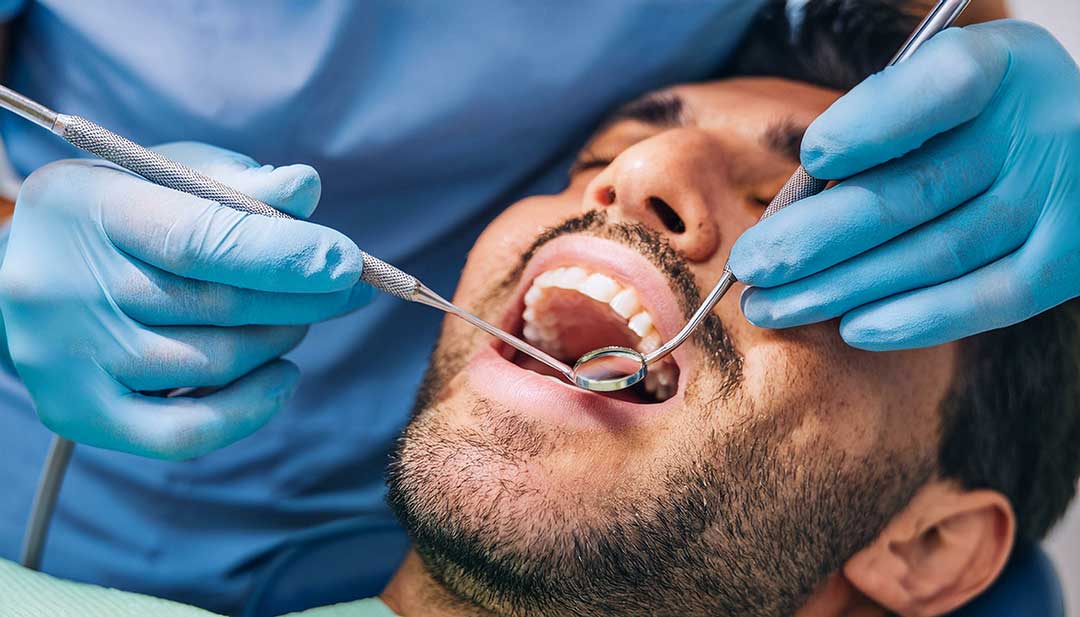
These symptoms do not automatically indicate cancer, but they should not be ignored. Early evaluation is especially important for people who smoke or use smokeless tobacco. ([cdc.gov](https://www.cdc.gov/oral-health/data-research/facts-stats/fast-facts-tobacco-use-and-oral-health.html?utm_source=openai))
Does smoking affect dental treatment and healing?
Smoking can interfere with healing after procedures involving the gums, teeth, or jaw. It may also reduce the effectiveness of periodontal treatment because the tissues remain exposed to factors that impair immune response and repair.
For people with gum disease, tobacco cessation can improve healing and treatment results. NIDCR notes that tobacco use can delay healing and make periodontal treatment less successful. ([nidcr.nih.gov](https://www.nidcr.nih.gov/health-info/gum-disease?utm_source=openai))
This matters after procedures such as tooth removal, gum treatment, or other oral surgery. A dentist or oral surgeon may provide individualized instructions about tobacco use before and after treatment, because timing and risk depend on the procedure and the person’s health history.
Is vaping safer for teeth and gums?
Vaping is not harmless to oral health. Research on its long-term effects continues, but nicotine-containing products can contribute to dry mouth, irritation, and changes in the oral environment. The American Dental Association reports that nicotine products can have serious effects on the teeth, gums, and mouth, while also noting that evidence differs among products and delivery methods. ([ada.org](https://www.ada.org/resources/ada-library/oral-health-topics/tobacco-use-and-cessation?utm_source=openai))
Switching from cigarettes to vaping may change exposure to certain substances, but it should not be treated as risk-free for the mouth. Smokeless tobacco also remains harmful and is associated with gum disease, tooth damage, and oral cancer risk.
What can smokers do to protect their dental health?
Stopping tobacco use provides the greatest long-term benefit, but oral-health protection should begin even before a person is ready to quit. Helpful steps include:
- Brush twice daily with fluoride toothpaste.
- Clean between the teeth every day using floss or another suitable interdental method.
- Drink water regularly, particularly when the mouth feels dry.
- Limit frequent sugary drinks and snacks.
- Check the mouth periodically for sores, patches, swelling, or unusual changes.
- Keep regular dental visits so gum measurements and other signs of disease can be monitored.
- Tell the dental team about smoking, vaping, or smokeless-tobacco use.
Quitting can be difficult because nicotine dependence is both physical and behavioral. Evidence-based cessation support may include counseling, medication, nicotine replacement, or a combination of approaches. Dental and medical professionals can help explain available options without judgment.
For households in Cheshire, seasonal indoor heating during colder months may make dry-mouth symptoms more noticeable. Drinking water, using sugar-free gum when appropriate, and paying attention to persistent dryness can help, but ongoing symptoms should still be discussed during a dental or medical evaluation.
When should a dental evaluation be a priority?
Prompt attention is appropriate for loose teeth, painful chewing, pus near the gums, facial swelling, unexplained bleeding, or a sore that does not heal. A routine evaluation is also worthwhile if bad breath, tooth sensitivity, gum recession, or changes in the way the teeth fit together continue for more than a short time.
Smoking-related damage is not always reversible, particularly after bone has been lost around the teeth. However, identifying disease early, maintaining consistent home care, and stopping tobacco exposure can help preserve remaining teeth and improve the mouth’s ability to heal.