

 See My Latest Article on HelloNation
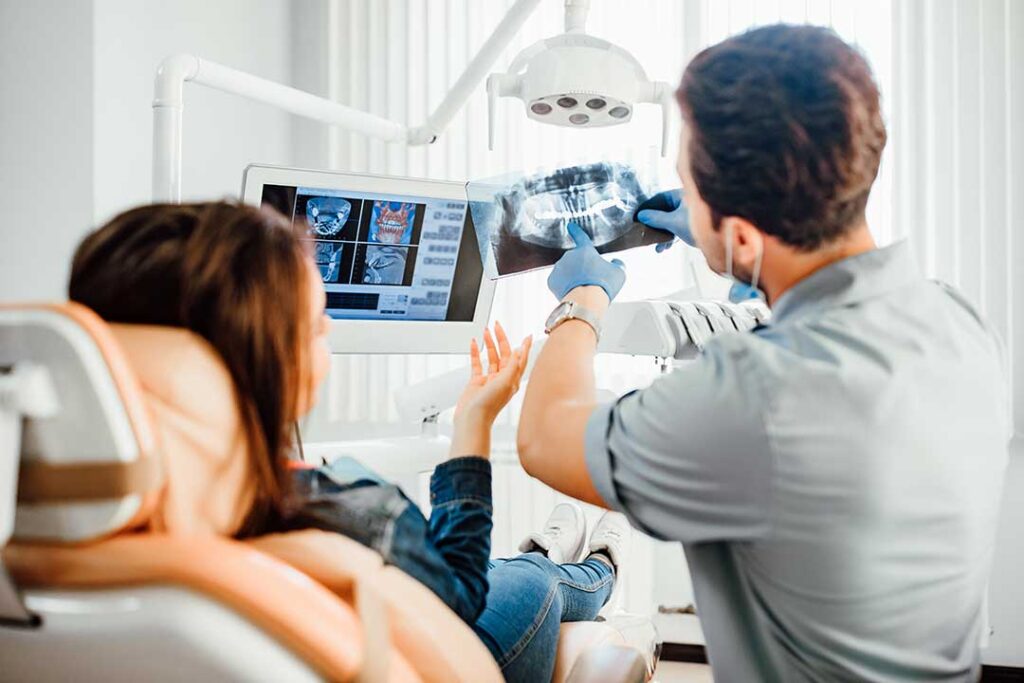
Are Sugar and Sweets the Main Cause of Cavities?
While sugar plays a role in tooth decay, it's not the only factor. Cavities form when bacteria in dental plaque convert carbohydrates—whether from sweets, bread, or fruit—into acids that wear down enamel. Habitual snacking, even on starchy foods, increases acid exposure over time, which is especially important in households where snacks are available all day. Regular brushing and limiting frequent snacking are more influential for cavity prevention than avoiding sugar alone.
Practical Example:
A family in the area might assume that switching to crackers or dried fruit for snacks is a healthier choice for teeth. In reality, sticky or starchy foods can linger on teeth just as long as sweets, leading to similar risks.
Do You Need to Brush Harder for Cleaner Teeth?
Brushing intensity doesn’t always translate to cleaner teeth. In fact, aggressive brushing can wear away enamel and cause gum recession. The key is technique and consistency, not force. Using a soft-bristled toothbrush and gentle, circular motions—especially during the dry winter months when gums may already be sensitive—keeps enamel and gums intact.
Overlooked Factor:
Some local residents may brush vigorously after consuming acidic foods or drinks, thinking it removes stains. Waiting at least 30 minutes before brushing after acids allows enamel to reharden, reducing risk of erosion.
Can You Skip Dental Visits if Your Mouth Feels Fine?
A lack of pain or discomfort does not guarantee good oral health. Many dental issues—including cavities and gum disease—can develop silently before symptoms appear. Routine check-ups are meant to identify trouble early, which can be especially useful after a long New England winter or during periods of increased illness in the community when routines slip.
Common Misconception:
People may believe that strong, pain-free teeth mean no action is needed. Silent problems, like early gum disease, may only be detected through regular examinations.
Is Bleeding Gums Always a Sign to Stop Brushing?
Bleeding during brushing often signals gum inflammation, not a reason to stop cleaning. Halting brushing or flossing can worsen the condition, allowing bacteria to multiply. Gently maintaining hygiene—even when gums are tender—helps restore health. Diligence is especially important during allergy season, when post-nasal drip or medications may affect oral tissues.
Practical Tip:
Switching to a soft-bristled brush or gently massaging gums with a clean finger can aid healing while keeping the area clean.
Are "Natural" or Charcoal Toothpastes Better for Your Teeth?
Products labeled as "natural" or containing charcoal may seem appealing, but they are not automatically safer or more effective. Some alternatives lack fluoride, an ingredient shown to strengthen enamel and prevent decay. Charcoal pastes can be abrasive and wear down teeth over time. Residents choosing alternative products should compare ingredient lists and consult science-backed resources before making changes.
Common Misconception:
Visibility of a whitening effect does not guarantee safety for daily use. Abrasive products can cause enamel thinning, even if they make teeth appear brighter at first.

Is Flossing Optional if You Brush Well?
Flossing removes plaque and food particles from spaces a brush cannot reach—between teeth and below the gumline. Brushing alone, even with the most diligent effort, leaves nearly 40% of tooth surfaces untouched. Especially after holiday feasts, barbecues, or meals featuring fibrous foods, flossing remains necessary for complete oral care.
Practical Example:
Those who rely solely on brushing may develop cavities or gum inflammation between teeth, even with spotless front surfaces.
Does Mouthwash Replace Brushing or Flossing?
Mouthwash can freshen breath and reduce bacteria levels but should never be the sole means of cleaning teeth. Mechanical removal of plaque—by brushing and flossing—is irreplaceable for preventing cavities and gum disease. In the community, some individuals gravitate toward mouthwash-only routines for convenience, yet this shortcut leaves teeth and gums susceptible to long-term problems.
Key Point:
Rinses should complement—not substitute—good brushing and flossing habits.
Is Tooth Loss in Older Adults Unavoidable?
Losing teeth is not an inevitable part of aging. With proper daily care, a balanced diet, and regular monitoring, most adults can keep natural teeth healthy for life. Factors such as medications, hydration, and dexterity can complicate care in older adulthood, so adapting routines to physical changes is beneficial. In the city, adjustments like larger-handled toothbrushes or water flossers are common as people age.
Overlooked Factor:
Many believe dentures are a guarantee later in life. In reality, prevention throughout adulthood is the strongest influence on long-term retention of natural teeth.