

 See My Latest Article on HelloNation
How Often Do Most People Need Dental Checkups?
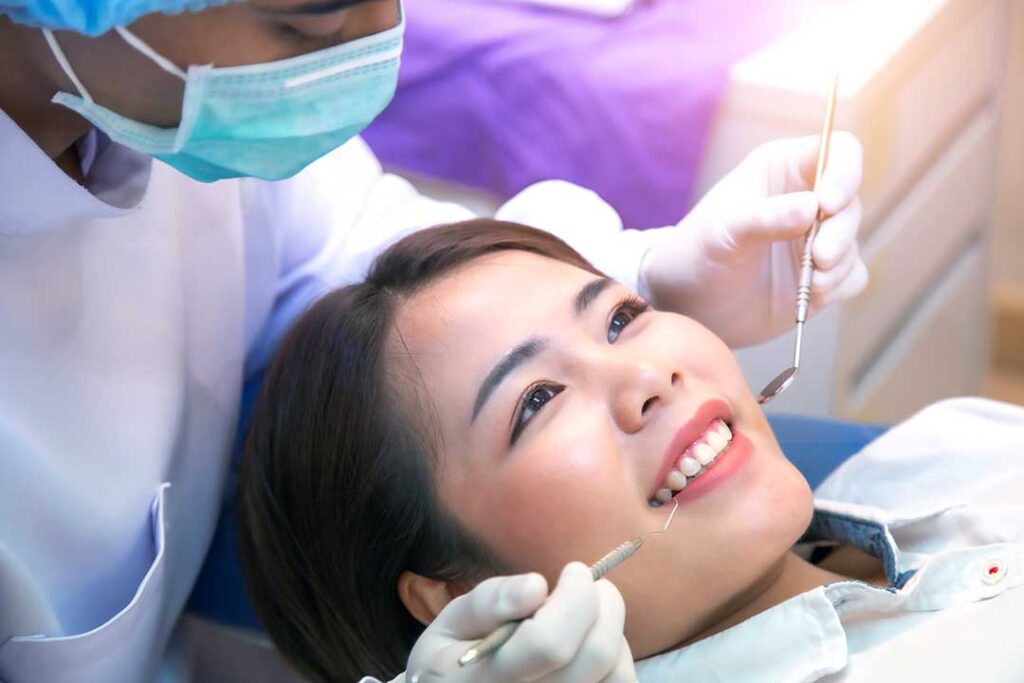
Most adults and children in Cheshire, CT are advised to see their dentist about every six months. This general guideline is supported by reputable dental organizations because twice-yearly visits allow for timely detection of dental problems and professional cleanings that supplement daily oral hygiene.
However, dental health is not one-size-fits-all. Some local residents may need more or fewer visits based on their unique risk factors, habits, and medical history.
Who Might Need More Frequent Visits?
People in the community with higher risk for dental disease may benefit from seeing a dentist every three to four months. Risk factors that are common in area households include:
- A history of frequent cavities or gum disease
- Existing dental restorations, such as crowns or bridges, which need consistent monitoring
- Medical conditions that affect oral health, including diabetes or autoimmune diseases
- Smoking or use of tobacco products
- Taking medications that cause dry mouth or affect gum tissue
Dental professionals often base personalized recommendations on these and other factors identified during a routine visit, so it’s reasonable for some people to attend more regularly than the six-month standard.
Can You Visit Less Often If Your Teeth Are Healthy?
Healthy adults in Cheshire who maintain good oral hygiene and have low risk for dental issues sometimes ask if they can extend the interval between cleanings. For certain low-risk individuals—those who rarely get cavities, consistently brush and floss, and do not have gum disease—a yearly checkup may be sufficient according to some dental research.
Still, skipping or delaying visits increases the chance that early problems, like small cavities or minor gum inflammation, can progress unnoticed. Many dental issues are painless in their beginning stages, and skipping regular checkups can mean missing chances to address them early, which is especially relevant in climates like Cheshire’s where seasonal changes can impact oral health (for example, dehydration in the winter can worsen dry mouth).
What Happens During a Routine Dental Visit in the Community?
During a standard dental visit, residents can expect an evaluation tailored to their needs, which usually includes:
- A professional teeth cleaning to remove plaque and tartar that regular brushing misses
- An exam to check for cavities, gum disease, and other oral problems
- X-rays, when needed, to spot issues below the surface or between teeth
- An assessment of oral cancer risk, especially for adults
- Opportunity to discuss brushing and flossing techniques suitable for local water conditions, which can influence enamel health
Dentists may also ask about lifestyle changes, dietary habits, or new medications, as these can directly affect oral health in Cheshire households.
What Are the Risks of Skipping Regular Dental Visits?
Missing routine visits can allow issues to go unnoticed until they become more difficult—and expensive—to treat. Potential risks include:
- Cavities worsening and requiring more extensive repair
- Gum disease progressing to a stage where it can threaten tooth stability
- Build-up of tartar leading to bad breath and bleeding gums
- Delayed detection of mouth cancers or other systemic diseases that first appear with oral symptoms
Consistent visits help residents maintain not only their dental health but also potentially catch warning signs connected to overall health. In Cheshire, where dietary and seasonal changes may influence oral habits, keeping a regular schedule can help offset those challenges.
How Should Cheshire Households Decide Their Own Schedules?
While six months is a common guideline, the best interval is the one that addresses your current oral health status, risk factors, and personal needs. Residents can consider:
- Past history of dental issues
- Changes in health or medication
- Personal comfort with longer intervals based on previous checkups
- Life-stage considerations (children, seniors, pregnancy)
Parents of young children in Cheshire should also note that kids may need more frequent visits during orthodontic treatment or if their baby teeth show signs of early decay.
Common Misconceptions About Dental Visit Frequency
Some believe that if their teeth don’t hurt, there’s no need for a checkup. However, most oral problems, such as cavities and gum disease, develop quietly. Others think at-home care alone is enough; while brushing and flossing are crucial, professional tools and exams reveal what daily routines can miss.
Another misconception, particularly among older adults in the city, is that tooth loss is inevitable with age and cannot be prevented. Regular checkups, however, can help preserve one’s natural teeth well into older age.
How Do Local Patterns Affect Dental Visit Habits?
The schedule of residents in Cheshire often fills quickly with work, school, and seasonal activities, making it tempting to put off non-urgent dental care. Additionally, changes in insurance coverage may impact how often families choose to attend routine visits.
However, thinking of dental visits as preventive maintenance rather than a chore helps underscore their value: short, routine appointments typically save time and discomfort compared to delayed, emergency visits. In a region where community health is a shared value, maintaining regular dental care supports broader public health outcomes.