

 See My Latest Article on HelloNation
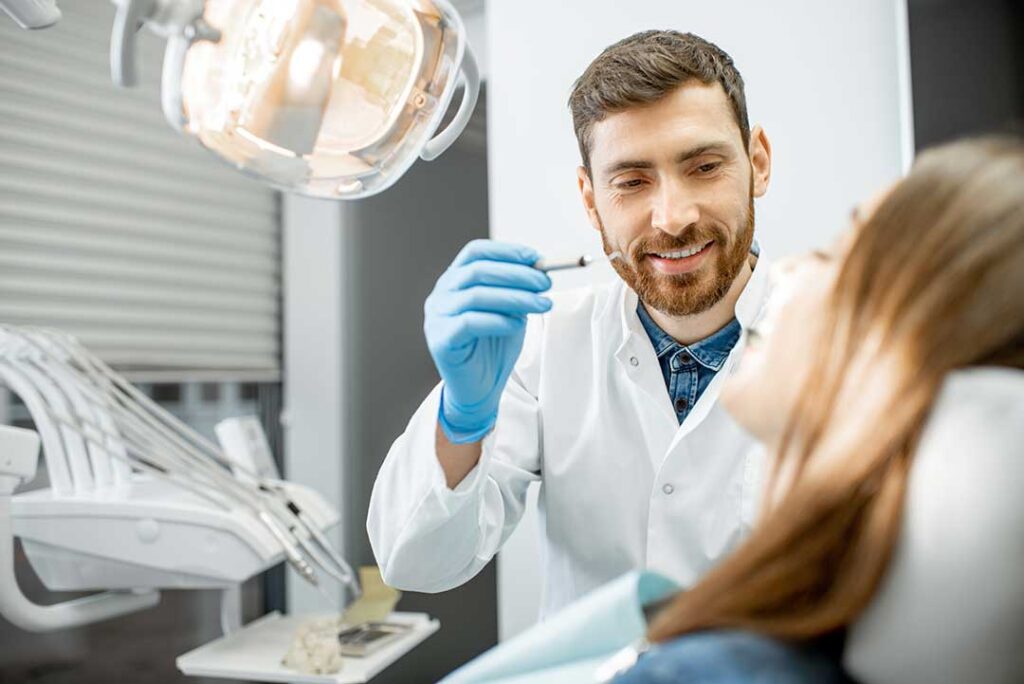
When Should a Child Have Their First Dental Checkup?
The recommended age for a child's first dental checkup is by their first birthday or within six months of the first tooth erupting. This advice is consistent with guidance from the American Academy of Pediatric Dentistry and supported by dental professionals in Cheshire, CT. Early exams help establish good oral health habits, detect potential issues before they become more serious, and make dental visits routine for young children.
Why So Early? The Rationale Behind the Recommendations
Many parents in the community believe dental visits aren't necessary until a child is older or has a full set of teeth. However, babies and toddlers can experience tooth decay soon after their teeth appear. Early visits allow for:
- Monitoring tooth growth and jaw development
- Early identification of cavities, especially "baby bottle tooth decay"
- Guidance for cleaning small children’s teeth and gums at home
- Discussions about pacifier habits, thumb sucking, and nutrition as they relate to oral health
Cheshire’s tap water is fluoridated, which helps prevent cavities, but individual households may use well water, bottled water, or home filtration systems, which might not provide the same protection. A dental professional can offer advice relevant to the specific water source used at home.
What Happens During the First Visit?
A child’s first dental visit is typically short and gentle, focusing on education and making the child comfortable. In most cases, the parent or caregiver stays with the child throughout the visit. The exam usually includes:
- Checking the mouth for normal growth and signs of decay
- Gently cleaning the child’s teeth and demonstrating brushing techniques
- Assessing the effects of feeding habits and discussing nutrition in the context of local dietary patterns
- Answering caregiver questions about teething, fluoride, and oral hygiene tools
Children in Cheshire might have unique challenges related to local climate—seasonal colds, dry winter air, or increased summer outdoor activities can influence oral health habits and routines. These factors may shape the guidance provided during the visit.
Are There Signs a Child Should See a Dentist Sooner?
While the general guideline is no later than the first birthday, some situations call for an earlier checkup, such as:
- A tooth injury (common for toddlers as they learn to walk, especially if they fall on hard indoor floors or outdoor patios)
- Sore, swollen, or bleeding gums
- Brown or black spots on baby teeth, which could signal decay
- Difficulty eating or persistent mouth pain
Prompt attention is more important in these circumstances, regardless of a child's age.
How Can Families in Cheshire Support Good Oral Health Before and After the First Visit?
Simple daily practices at home lay the foundation for lifelong dental health. Even before a child has teeth, gently wiping their gums with a soft, damp cloth after feedings prevents bacteria buildup. Once teeth emerge, use a soft-bristled brush with a rice-sized amount of fluoride toothpaste.
Additional tips for local households:
- Avoid letting children fall asleep with a bottle containing milk, formula, or juice, as sugary liquids can pool around teeth and gums
- Offer tap water after meals and snacks, aiding in cavity prevention
- Stay aware of seasonal candy consumption, such as Halloween or holiday treats, and practice moderation
- Encourage outdoor play while being mindful that sports and playground accidents can sometimes lead to dental injuries

What Are the Risks of Delaying the First Dental Checkup?
Some families assume that "baby teeth are temporary" and delay visits, thinking it won’t have long-term effects. In reality, cavities in primary teeth can cause pain, make eating difficult, and potentially lead to infections that affect a child's overall health. Early decay can also impact the alignment and health of permanent teeth later on.
Left untreated, dental problems discovered late may require more intensive care, which can be more stressful for both the child and family.
How Does the Local Environment Impact Children’s Oral Health?
The mix of older and newer homes in Cheshire means families may have varied plumbing and water treatment. Some homes rely on wells, and filtering systems may remove fluoride from the local water supply. Households with private wells should test water quality and discuss fluoride supplementation with a dentist or pediatrician.
Cheshire's four-season climate brings unique challenges—winter heating can dry out mouths, spring allergies may increase mouth breathing, and summer time spent at local parks may heighten the risk of accidental tooth injuries. Parents can support dental health with protective gear for sports, seasonal hydration, and adapting oral care routines to indoor heat or outdoor activities.
Common Questions from Local Families
Is it normal for children to be scared at their first dental visit?
Yes, hesitancy is common. Bringing a favorite toy, reading picture books about dentists, or visiting the library for story time themed around visiting the doctor or dentist can help make the experience positive.
What if my child only has one or two teeth by their first birthday?
It’s still recommended to have a dental exam. The visit will focus on growth expectations, cleaning tips, and any questions parents may have about their child’s dental development.
Is fluoride toothpaste safe for young children in the area?
Yes, using a smear of fluoride toothpaste (about the size of a grain of rice) is advised as soon as teeth emerge. Caregivers should help with brushing to avoid swallowing too much toothpaste.
Final Thoughts on Setting a Good Example
Parents and caregivers are children’s main role models. When children see adults brushing and flossing, visiting the dentist for routine checkups, and talking positively about oral health, they are more likely to adopt those habits themselves. Early, positive dental experiences shape a child’s views on oral health for years to come and help reduce anxiety around future visits.