

 See My Latest Article on HelloNation

What Is Bad Breath and Why Do People Notice It?
Bad breath, medically termed halitosis, is an unpleasant odor coming from the mouth that’s persistent or recurring. Most local residents may assume it comes from poor hygiene, but several factors — both inside and outside the mouth — can contribute to noticeable odors. In close-knit communities such as Cheshire, CT, where social gatherings, youth sports, and family events are common, concerns about fresh breath can impact confidence and relationships.
What Are the True Causes of Bad Breath?
The most common cause of bad breath is the presence of bacteria in the mouth. These bacteria break down food particles, dead cells, and saliva, producing sulfur compounds responsible for foul odors.
Other proven causes include:
- Insufficient oral hygiene: Skipping brushing or flossing lets bacteria thrive, especially between teeth and along the gum line.
- Dry mouth: Local factors like seasonal allergies or indoor heating in winter may reduce saliva flow, which normally helps cleanse the mouth.
- Diet: Eating foods like garlic, onions, or spicy dishes can contribute to odor until fully digested and processed by the body.
- Medical conditions: Sinus infections, postnasal drip, acid reflux, and some systemic illnesses can produce distinctive smells.
- Dental issues: Untreated tooth decay, gum disease, or poorly fitting dental work can harbor odor-producing bacteria.
Many Cheshire households may notice transient bad breath upon waking, after coffee, or during fasting due to a temporary drop in saliva.
Is Bad Breath More Common at Certain Times or in Certain Seasons?
Yes, temporary increases are common first thing in the morning (“morning breath”) or during allergy seasons when antihistamines or decongestants dry the mouth. Cold winters, when homes are closed up and heating is on, can also make dry mouth and bad breath more noticeable.
In social seasons — holidays, school events, or outdoor activities — anxiety and diet changes can increase the risk of breath issues.
Can Everyday Habits at Home Help Prevent Bad Breath?
Effective home care is one of the most reliable ways to keep breath fresher. Here are essential steps:
- Brush teeth at least twice daily, reaching all sides and the tongue’s surface.
- Floss once each day.
- Rinse with water after meals when brushing isn’t possible.
- Keep well hydrated, especially in dry or heated indoor environments.
- Replace toothbrushes every 3-4 months to avoid bacteria buildup.
Many overlook the tongue as a major source of odor, but gently brushing it can dramatically reduce sulfur compounds.
What Foods or Drinks Are Most Likely to Cause Lingering Odors?
Foods with pungent oils or sulfur compounds tend to cause strong odors. These include:
- Garlic and onions
- Coffee, especially black or espresso
- Alcoholic drinks, which can dry the mouth
- Spicy foods with strong seasonings
- Fish and cured meats
Cheese and some dairy products can also linger on the breath, especially if oral hygiene isn’t thorough.
Why Does Bad Breath Sometimes Persist Despite Brushing?
Persistent odors may signal something beyond simple food residue or a missed brushing. Potential causes include:
- Gum disease or infection beneath the gum line
- Cavities or cracked fillings trapping debris
- Dry mouth from medications like antihistamines, blood pressure drugs, or antidepressants
- Postnasal drip or chronic sinus conditions
- Acid reflux, particularly if accompanied by heartburn
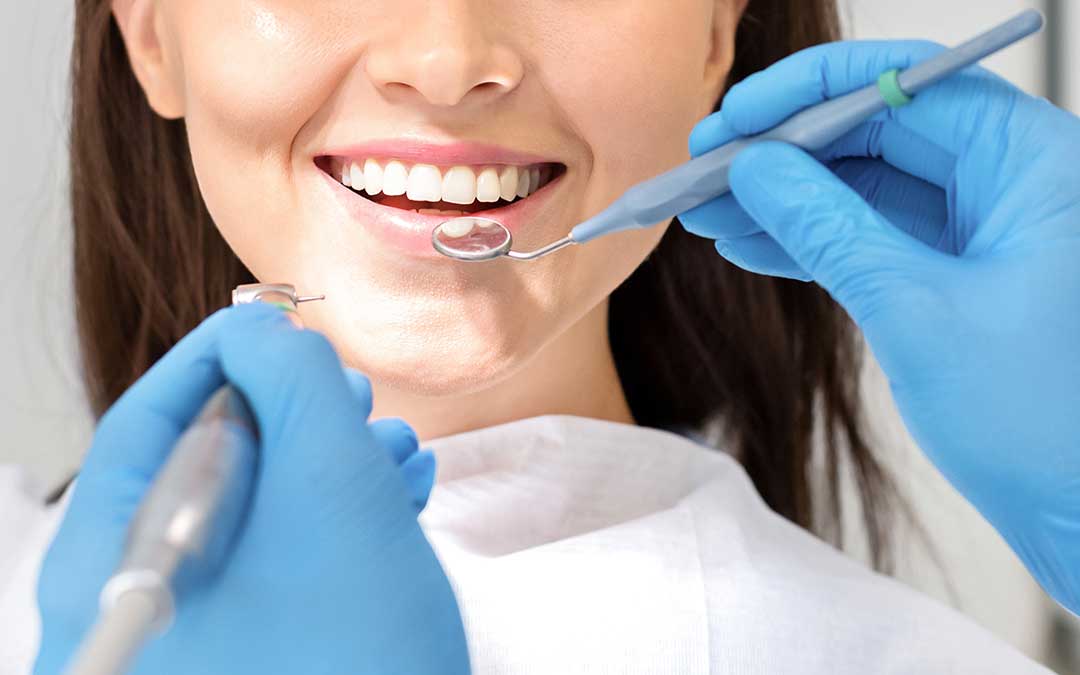
Residents who notice bad breath continuing for more than a week despite consistent home care may be dealing with an underlying health issue or dental condition.
Are Mouthwashes or Breath Fresheners Helpful?
Rinses, gums, and mints can temporarily mask odors and offer a quick refresh before community events or social visits. However, many over-the-counter products primarily cover up smells and do not address underlying issues.
Alcohol-based mouthwashes can sometimes worsen dry mouth. For everyday use, rinsing with water or using alcohol-free products is gentler on sensitive gums.
How Can Local Factors in Cheshire, CT Influence Oral Health and Breath?
Cheshire’s seasonal climate means households rely on heating in winter and enjoy more outdoor activities in summer. Both can impact hydration, a key factor in saliva production and breath freshness.
In the colder months, try to offset dry indoor air with:
- Using humidifiers at home
- Drinking plenty of fluids throughout the day
- Limiting caffeine and alcohol, both of which further contribute to dryness
Spring and fall allergy spikes may lead to increased reliance on antihistamines. Residents experiencing resulting dry mouth should take extra care with oral hygiene and hydration.
Common Myths and Misconceptions About Bad Breath
Some residents may believe that breath odor always means poor hygiene. In reality, about a quarter of persistent cases relate to non-dental factors like sinus issues, digestive problems, or even uncontrolled diabetes.
Others assume persistent chewing gum or breath mint use will solve the problem — while these methods provide a temporary fix, addressing the cause is more effective in the long term.
Occasionally, people believe brushing harder or more frequently will help. Over-brushing or using abrasive toothpaste can damage gums and teeth, sometimes worsening odor by exposing sensitive areas.
When Should Residents Be Concerned About Bad Breath?
Occasional mild odor, especially after certain foods or upon waking, is normal. However, ongoing issues that resist thorough daily cleaning may point to dental disease or underlying health problems. When accompanied by symptoms such as gum bleeding, loose teeth, dry mouth despite drinking water, or digestive discomfort, further evaluation may be required.