

 See My Latest Article on HelloNation
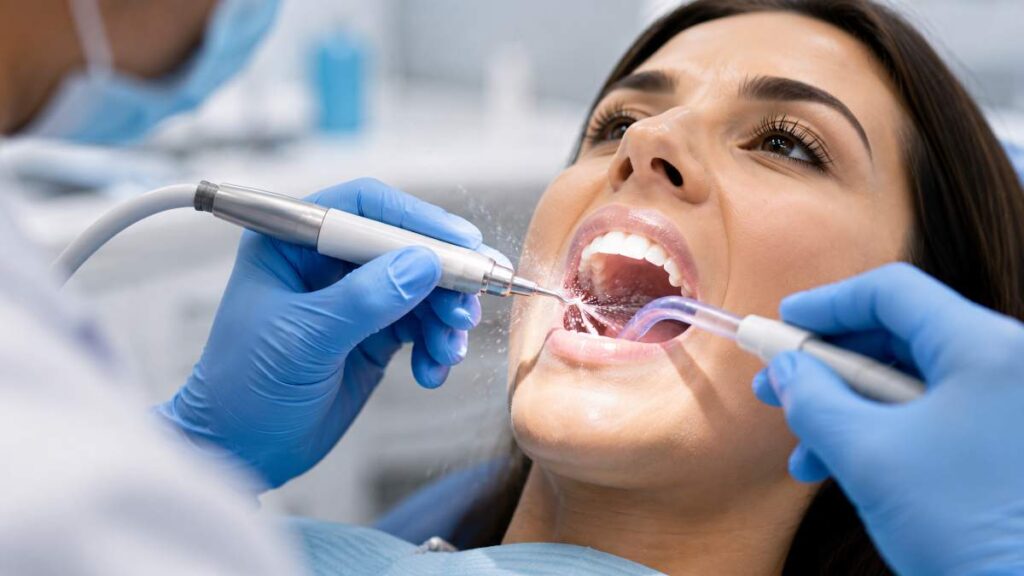
What happens during a routine dental cleaning?
A routine dental cleaning usually includes a review of your oral health, removal of plaque and tartar, polishing, flossing, and an examination for signs of cavities or gum problems. The process is generally straightforward and often takes about 30 to 60 minutes, although the length depends on your needs.
A cleaning is more than a cosmetic procedure. It helps remove hardened deposits that brushing and flossing cannot eliminate and gives the dental team an opportunity to notice changes before they become more serious.
For residents of Cheshire, routine visits can also be useful after seasonal changes in eating, drinking, or daily habits. Cold weather may lead some people to drink less water, while holiday foods and frequent snacking can increase exposure to sugars and acids.
Do you need to prepare before a cleaning?
Most people do not need special preparation. Brush and clean between your teeth as usual, but do not scrub aggressively just before the visit. A normal routine gives the dental team a more accurate understanding of your everyday oral hygiene.
Before the cleaning, be ready to mention:
- Tooth sensitivity or pain
- Bleeding, swollen, or tender gums
- Dry mouth
- Changes in a dental crown, filling, denture, or retainer
- Medications or medical conditions
- Pregnancy or plans for pregnancy
- Anxiety about dental treatment
It is also helpful to eat normally unless specific instructions have been provided. People who become lightheaded when they skip meals may feel more comfortable having a small meal beforehand.
What happens first?
The visit usually begins with questions about your health, dental history, and any symptoms. The dental hygienist may review brushing and flossing habits, dietary patterns, tobacco use, or changes noticed since the last visit.
Next, the mouth is examined. This may include checking the teeth, gums, tongue, cheeks, and areas around existing dental work. Gum measurements may be taken to look for pockets around the teeth. These measurements help identify inflammation or possible periodontal disease.
X-rays are not automatically needed at every cleaning. They may be recommended when a provider needs to evaluate areas that cannot be seen directly, such as between teeth, beneath fillings, or near the roots.
How are plaque and tartar removed?
The hygienist uses specialized instruments to remove plaque and tartar from the teeth and along the gumline. Plaque is a soft film of bacteria that forms continuously. If it remains in place, minerals in saliva can harden it into tartar, also called calculus.
Brushing and flossing help control plaque, but hardened tartar cannot be removed safely with a toothbrush at home. The hygienist may use hand instruments, an ultrasonic instrument, or both. An ultrasonic instrument uses vibration and water to loosen deposits and rinse the area.
You may hear scraping, buzzing, or water sounds during this part of the visit. Mild pressure is common. Sharp pain is not something that should simply be tolerated, so tell the dental team if an area feels uncomfortable.
Sensitivity may be more noticeable around exposed roots, receding gums, worn enamel, or areas with heavier tartar buildup. The hygienist can often adjust technique, pause, use additional water, or discuss ways to improve comfort.
What are polishing and flossing for?
After deposits are removed, the teeth are usually polished with a mildly abrasive paste and a small rotating brush. Polishing removes some surface stains and leaves the teeth feeling smooth. It does not replace brushing, whiten teeth dramatically, or remove every type of discoloration.
Floss or another between-teeth cleaner is then used to remove loosened debris. The hygienist may demonstrate a technique based on the spacing of your teeth, dental bridges, braces, implants, or other oral appliances.
A little bleeding during flossing can occur when gums are inflamed, especially after a period without regular cleaning between the teeth. Occasional bleeding should not be dismissed as normal, however. Repeated bleeding is a reason to discuss gum health with a dental provider.
Is a dental cleaning the same as a deep cleaning?
No. A routine cleaning generally focuses on teeth above the gumline and the accessible areas around the gums. A deep cleaning, often called scaling and root planing, is used when gum disease has caused deeper pockets or deposits below the gumline.
Deep cleaning may be performed over more than one visit and may involve local anesthetic. The teeth and gums can feel tender afterward, and temporary sensitivity is possible.

A recommendation for deeper treatment does not necessarily mean a person has poor habits. Gum disease can be influenced by age, genetics, smoking, diabetes, medications that cause dry mouth, and difficulty reaching certain areas. The appropriate treatment depends on the condition of the gums and supporting bone.
Will the dentist examine your mouth after the cleaning?
Often, a dentist or other qualified dental provider reviews the findings after the cleaning or during the same visit. The examination may look for cavities, worn enamel, cracked teeth, gum recession, signs of infection, oral lesions, and problems with existing dental work.
The visit may also include advice about:
- Toothbrush selection and brushing pressure
- Fluoride toothpaste
- Floss, interdental brushes, or water flossers
- Dry-mouth management
- Dietary habits that affect tooth decay
- Nighttime grinding or clenching
- Whether additional imaging or treatment is needed
A cleaning does not always include every part of a comprehensive dental examination. The exact sequence varies according to age, risk factors, symptoms, and the condition of the mouth.
What should you expect afterward?
Teeth often feel smoother immediately after cleaning. Mild gum tenderness or brief sensitivity to cold foods and drinks can occur, particularly if there was significant tartar buildup or gum inflammation.
For most people, normal eating and drinking can resume right away. If fluoride varnish or another topical treatment is applied, follow the instructions provided about eating, drinking, or brushing for the next several hours.
Contact a dental provider promptly if you develop severe or persistent pain, facial swelling, fever, uncontrolled bleeding, or a tooth that becomes suddenly loose. These symptoms are not typical effects of a routine cleaning.
How often should cleanings be performed?
Many people benefit from cleanings about twice a year, but there is no single schedule that fits everyone. Some people need more frequent visits because of gum disease, a history of cavities, orthodontic appliances, dry mouth, diabetes, tobacco use, or difficulty cleaning certain areas.
Daily care remains essential between visits. Brushing twice a day with fluoride toothpaste and cleaning between the teeth each day helps reduce plaque, while regular dental visits help identify problems that home care cannot detect.
The most useful expectation is that a cleaning is both preventive care and an opportunity to ask questions. Sharing symptoms, sensitivity, medication changes, or concerns about comfort helps make the visit more informative and appropriate for your needs.