

 See My Latest Article on HelloNation
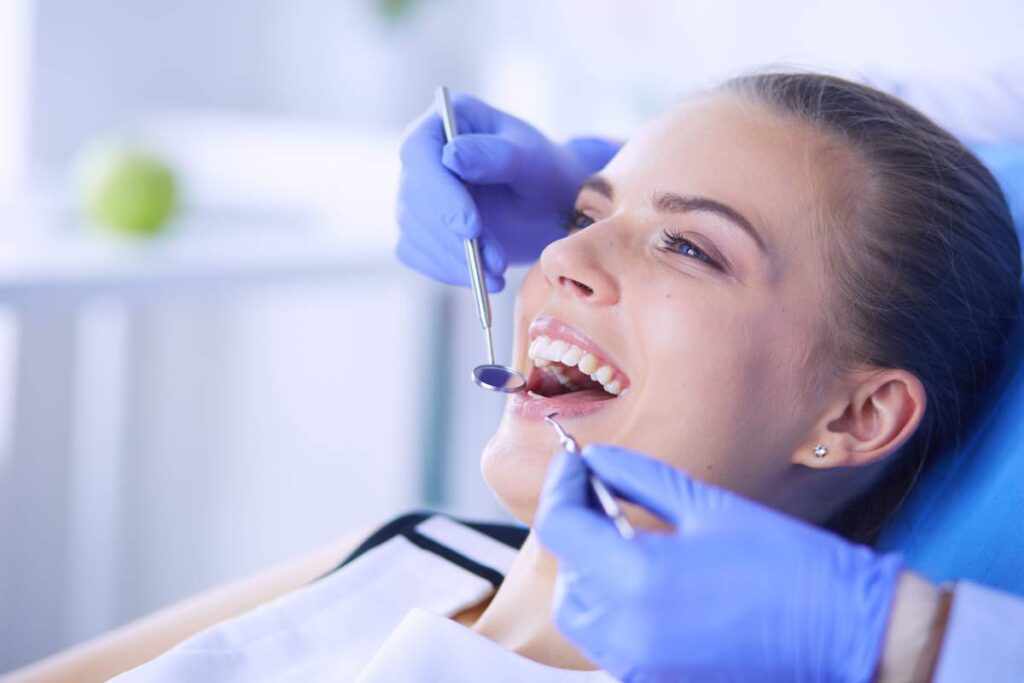
Pregnancy can change the way teeth and gums respond to plaque, stomach acid, food, and daily hygiene. Hormonal shifts may make gums more likely to swell or bleed, while nausea, vomiting, food cravings, and changes in eating habits can increase the risk of cavities and enamel erosion.
These changes are common, but significant pain, swelling, or bleeding should not be dismissed as a normal part of pregnancy. Maintaining routine oral care and addressing problems early can help protect both comfort and dental health.
Why do gums bleed more easily during pregnancy?
Pregnancy hormones can increase blood flow to the gum tissue and make the gums more sensitive to irritation from plaque. This may lead to pregnancy gingivitis, which can cause:
- Red or darker-than-usual gums
- Swelling or tenderness
- Bleeding during brushing or flossing
- Increased sensitivity around the gumline
- Bad breath that does not improve with regular cleaning
Pregnancy itself does not create plaque, but hormonal changes can make the body react more strongly to plaque that is already present. Skipping brushing or flossing because the gums bleed can allow inflammation to worsen.
Use a soft-bristled toothbrush and gentle pressure along the gumline. Cleaning between the teeth with floss or another dentist-recommended method remains important. If bleeding is frequent, heavy, or accompanied by pain, loose teeth, pus, or persistent swelling, an evaluation is appropriate.
Can pregnancy cause cavities?
Pregnancy does not directly “take calcium” from the mother’s teeth, but several pregnancy-related changes can raise the risk of tooth decay. Morning sickness may expose teeth to stomach acid, and frequent snacking or sipping sweetened drinks can give cavity-causing bacteria more opportunities to produce acid.
Other factors may include:
- Dry mouth or changes in saliva
- Strong food cravings
- Eating more often throughout the day
- Difficulty brushing because of nausea or a sensitive gag reflex
- Fatigue that makes regular oral hygiene harder
A practical approach is to rinse with water after snacks and choose water between meals when possible. Fluoride toothpaste helps strengthen enamel and should generally remain part of a normal brushing routine unless a prenatal or dental care provider gives different instructions.
What should someone do after vomiting?
Brushing immediately after vomiting may spread acid over the tooth surfaces and contribute to enamel wear. Instead, rinse the mouth with water. A rinse containing water and a small amount of baking soda may help neutralize acid, but it should not be swallowed.
Wait about 30 minutes before brushing. During that time, saliva can help restore the mouth’s natural balance. If nausea makes brushing difficult, try a smaller toothbrush, an unflavored toothpaste, or brushing at a different time of day. Even a brief, gentle cleaning is better than avoiding oral hygiene completely.
Repeated vomiting, severe reflux, or ongoing difficulty brushing may warrant discussion with both prenatal and dental care providers. These conditions can affect enamel and may require additional preventive guidance.
Is dental treatment safe during pregnancy?
Routine dental care, diagnostic evaluation, cleanings, fillings, and necessary treatment for infection can generally be provided during pregnancy. Dental X-rays and local anesthetic may also be used when clinically needed, with appropriate precautions.
Delaying urgent care can allow a cavity, cracked tooth, or infection to become more complicated. Tooth pain, facial swelling, fever, a bad taste from drainage, or difficulty swallowing requires prompt medical attention.
Before treatment, tell the dental office about the pregnancy, the expected due date, medications, allergies, and any pregnancy-related concerns. The prenatal care provider and dental care team can coordinate when a health condition or medication question requires special consideration.
Some comfort measures may be adjusted as pregnancy progresses. For example, sitting fully back for a long period may become uncomfortable later in pregnancy. Position changes, shorter visits, and breaks may help reduce dizziness or pressure.
Should routine cleanings be postponed until after delivery?
Usually, no. Preventive cleanings can help control plaque and reduce gum inflammation during a time when the gums may be more reactive. A cleaning may also identify cavities, gum disease, enamel damage, or other conditions before they cause more serious symptoms.
People who are experiencing frequent bleeding may assume that a cleaning will make the problem worse. In many cases, removing plaque and hardened buildup is part of reducing irritation. The gums may remain tender for a short time, especially if inflammation is already present, but avoiding care can allow the condition to progress.
Pregnancy is not a reason to ignore a toothache or wait automatically until after delivery. The timing of elective treatment may be discussed, while urgent treatment is generally handled based on the health risk of delaying it.
Does gum disease cause premature birth?
Research has examined possible links between periodontal disease and pregnancy outcomes. However, a direct cause-and-effect relationship has not been established, and treating gum disease should not be viewed as a guaranteed way to prevent premature birth or other complications.
That uncertainty does not make gum health unimportant. Untreated gum disease can cause pain, bleeding, gum recession, bone loss, and tooth loss. Managing infection and inflammation supports the pregnant person’s oral health and may make eating, sleeping, and daily activities more comfortable.
How can daily routines protect teeth and gums?
A manageable routine is often more useful than trying to make many changes at once:
- Brush twice a day with fluoride toothpaste.
- Clean between teeth daily, using floss or another suitable method.
- Rinse with water after vomiting or acidic foods and drinks.
- Wait before brushing after exposure to stomach acid.
- Drink water regularly, especially if the mouth feels dry.
- Limit frequent sipping of sweetened beverages.
- Choose nutritious snacks that are less likely to stick to teeth.
- Keep dental and prenatal care providers informed about symptoms and medications.
Seasonal routines can also affect comfort for households in Cheshire. During colder months, indoor heating and reduced water intake may contribute to a dry-mouth feeling. Keeping water available and maintaining regular brushing and interdental cleaning can help prevent dryness from turning into a reason to neglect oral care.
When should pregnancy-related mouth symptoms be checked?
Bleeding gums can occur during pregnancy, but severe or persistent symptoms deserve attention. Seek prompt dental or medical guidance for:
- Facial or jaw swelling
- Fever or chills
- Severe or worsening tooth pain
- A loose permanent tooth
- Pus, drainage, or a persistent foul taste
- Trouble swallowing or breathing
- Mouth sores that do not heal
- Vomiting that is frequent enough to affect eating, drinking, or oral hygiene
Pregnancy can make the mouth more sensitive, but it does not mean pain and infection must simply be tolerated. Continued brushing, careful management after vomiting, routine preventive care, and timely attention to warning signs can help protect teeth and gums throughout pregnancy and after delivery.