

 See My Latest Article on HelloNation
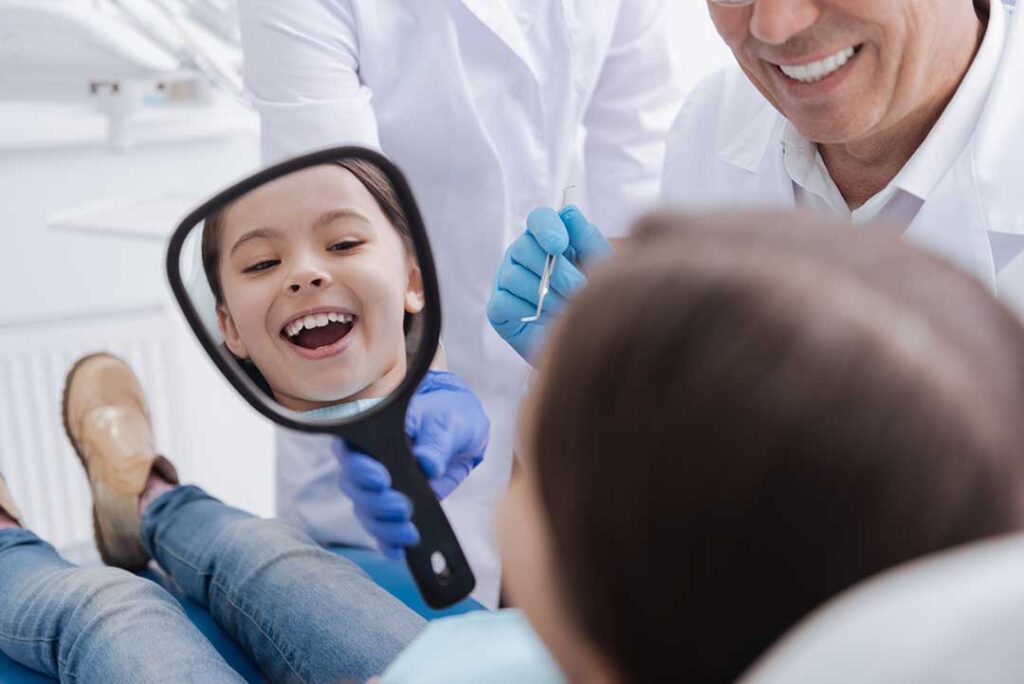
When should a child first see a dentist?
A child’s first dental visit should happen when the first tooth appears, and no later than the first birthday. This early visit is usually focused on prevention, oral development, feeding habits, fluoride exposure, and guidance for caregivers rather than extensive treatment.
Baby teeth matter even though they eventually fall out. They help children chew, speak clearly, maintain space for permanent teeth, and develop healthy oral habits. Tooth decay in baby teeth can cause pain, interfere with sleep or eating, and sometimes affect the developing adult teeth.
An early visit also gives parents a chance to ask about:
- Thumb-sucking or pacifier use
- Bottle and breastfeeding routines
- Teething discomfort
- Fluoride needs
- Toothbrushing techniques
- The child’s risk for cavities
How should parents clean a baby’s teeth?
Brushing should begin as soon as the first tooth appears. Use a soft, child-sized toothbrush and a small amount of fluoride toothpaste.
For children younger than 3, use a thin smear about the size of a grain of rice. From age 3 through age 6, use a pea-sized amount. An adult should place the toothpaste on the brush and supervise brushing to limit swallowing.
Brush twice each day, especially before bedtime. The nighttime brushing is particularly important because saliva flow decreases during sleep, allowing acids and bacteria to remain on the teeth longer.
Parents should brush for young children rather than expect them to do the job independently. Many children develop the coordination needed for effective brushing gradually. Even after a child begins brushing alone, an adult should continue to check the teeth and provide hands-on help as needed.
What foods and drinks increase the risk of cavities?
The frequency of sugar exposure often matters as much as the total amount eaten. Each time a child consumes sugary food or drinks, oral bacteria can produce acids that weaken tooth enamel.
Helpful habits include:
- Offer water between meals.
- Keep juice portions small and serve them with meals rather than throughout the day.
- Avoid putting a baby to bed with a bottle containing milk, formula, juice, or another sweet drink.
- Limit sticky snacks that stay on the teeth.
- Serve balanced meals and snacks at predictable times.
- Rinse the mouth with water after sweet or acidic foods when brushing is not possible.
Milk and formula provide important nutrition, but they can still contribute to decay when teeth are repeatedly exposed for long periods. Frequent sipping from a cup or bottle during the day may create more cavity risk than drinking the same amount during meals.
For households with busy school, sports, or activity schedules, packing water and tooth-friendly snacks can help. Cheese, plain yogurt, vegetables, and fresh fruit are generally less harmful to teeth than sticky candies, sweetened drinks, or frequent grazing.
Does a child need fluoride?
Fluoride strengthens developing and erupted teeth and helps repair early enamel damage. Fluoride toothpaste is recommended for children from the time the first tooth appears, using the age-appropriate amount.
The fluoride content of drinking water can vary by water source. Cheshire households connected to a public water system may have different fluoride exposure from households using private wells. Families with well water should have it tested and discuss the results with a dental or medical professional, especially if an infant drinks formula prepared with that water.
Do not add fluoride supplements without individualized guidance. The appropriate amount depends on the child’s age, cavity risk, toothpaste use, drinking water, and other sources of fluoride. Too much fluoride while teeth are developing can contribute to mild dental fluorosis, which may appear as faint white markings.
Some children may also benefit from fluoride varnish applied during preventive care, particularly when cavity risk is elevated.
Are dental sealants useful for children?
Sealants are thin protective coatings placed in the grooves of back teeth. These grooves can trap food and bacteria, making them difficult to clean thoroughly with a toothbrush.
Sealants may be recommended when permanent molars erupt or when a child has deep grooves or a history of cavities. They do not replace brushing, fluoride, or regular examinations, but they can add protection to areas that are especially vulnerable.
Parents can ask whether sealants are appropriate for a child’s individual teeth and cavity risk rather than assuming every child needs them.
What should parents know about teething, thumb-sucking, and pacifiers?
Teething can cause sore or tender gums. A clean, chilled teething ring or gentle gum massage may help. Avoid products that can be swallowed, break apart, or contain ingredients not intended for infants.
Thumb-sucking and pacifier use are common in infancy. Many children stop naturally, but prolonged or intense habits can affect the position of the teeth, the shape of the palate, and the bite. The effect depends on the habit’s frequency, duration, and intensity.
A child who continues these habits as permanent teeth begin to emerge may need additional guidance. Harsh criticism or punishment can increase anxiety and make the habit harder to stop. Calm encouragement and positive reinforcement are usually more useful.
How can parents prevent dental injuries?
Children are more likely to injure their teeth during falls, bicycling, skating, playground activities, and organized sports. Properly fitted protective equipment can reduce the risk of damage.
A mouthguard is especially useful during sports with possible contact or falls. Parents should also teach children not to run with objects in their mouths and to avoid using teeth to open packages or loosen tight materials.
If a permanent tooth is knocked out, hold it by the crown rather than the root, avoid scrubbing it, and seek urgent dental guidance. A baby tooth that is knocked out should not be pushed back into the socket. Any injury involving severe pain, swelling, bleeding, loss of consciousness, or a possible jaw injury requires prompt medical evaluation.
What signs of dental trouble should parents watch for?
A child may have a cavity or other dental problem even without reporting pain. Early warning signs can include:
- White, brown, or black spots on a tooth
- Sensitivity to cold, hot, or sweet foods
- Pain while chewing
- Swelling near the gums or face
- Persistent bad breath
- Bleeding or swollen gums
- Avoiding certain foods
- Trouble sleeping or changes in behavior
Dental pain in young children may appear as irritability, difficulty concentrating, refusal to eat, or waking during the night. Facial swelling, fever, difficulty swallowing, or difficulty breathing can signal an urgent problem and should not be delayed.
What routine can work for busy families?
A simple routine is more sustainable than relying on occasional intensive efforts:
1. Brush in the morning and before bed.
2. Use fluoride toothpaste in the correct amount.
3. Have an adult supervise or complete brushing.
4. Offer water between meals.
5. Keep sugary drinks and snacks limited.
6. Check teeth regularly for changes.
7. Maintain preventive dental visits based on the child’s needs.
Seasonal changes can affect routines in Cheshire, especially during winter when indoor schedules, school breaks, and holiday treats may alter eating and brushing habits. Keeping a toothbrush and travel-sized toothpaste available during overnight stays or extended activities can help children maintain consistency.
Good dental care for children is built through ordinary habits repeated every day. Parents do not need to make brushing perfect immediately; the goal is to create a dependable routine, notice problems early, and adjust care as a child grows.